
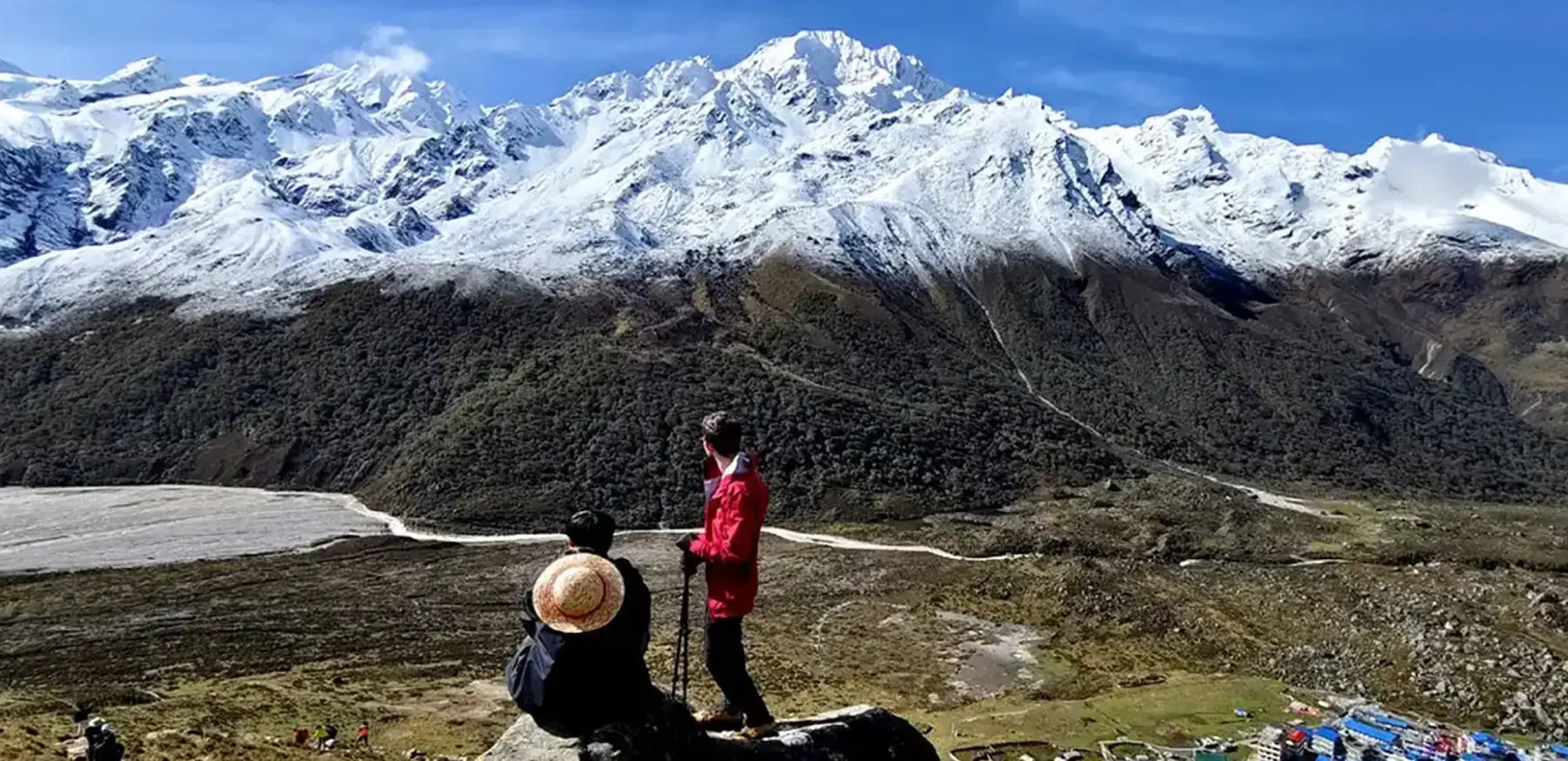
Nepal is the prime trekking destination in the world that provides various trekking destinations for trekkers and travelers to experience the Himalayan beauties. Among several trekking destinations, the Langtang National Park region is one of the easily accessible trekking locations in Nepal. It is one of the nearest trek destinations from the capital of Nepal, Kathmandu, which gives you an opportunity to witness scenic mountain views, rich tibetan influenced cultures, tamang heritages, wildfires, and himalayan glaciers.
The Langtang National Park region provides various trekking routes where you experience the authentic beauty of Himalayan landscapes. The region is a paradise for one looking for trekking in the lap of Himalayas while also spotting rare wildlife in the region.
In this guide, we provide information related to Langtang National Park while providing various trekking locations and routes you can trek in the region. The difficulty and fitness requirements, wildlife encounters, and best time to visit the Langtang National Park region are provided. Also, we provide information about a packing guide to safely and comfortably trek in the region.
Langtang National Park Trek Overview
|
Category |
Details |
|---|---|
|
Location |
Rasuwa, Nuwakot, and Sindhupalchok Districts (North of Kathmandu, Nepal) |
|
Established |
1976 AD (First Himalayan National Park of Nepal) |
|
Total Area |
1,710 sq. km |
|
Altitude Range |
Approx. 1,000m to 7,245m |
|
Highest Peak in Park |
Langtang Lirung (7,245m) |
|
Nearest Starting Point |
Syabrubesi (1,467 m), the main trekking gateway |
|
Distance from Kathmandu |
Around 120 km (6–9 hours’ drive depending upon road and traffic conditions) |
|
Main Trekking Routes |
Langtang Valley Trek, Gosaikunda Trek, Helambu Ama Yangri Trek |
|
Most Popular Destination |
Kyanjin Gompa (3,870m) |
|
Highest Common Trekking Point |
Tserko Ri (4,984m) (optional hike) |
|
Sacred Destination |
Gosaikunda Lake (4,380m) |
|
Best time to visit |
Spring (Mar to May) and Autumn (Sep to Nov) |
|
Accommodation Type |
Teahouses, family-run lodges, and hotels |
|
Wildlife sightings |
Red Panda, Himalayan Thar, Musk Deer, Himalayan Black Bear, and Snow Leopard |
|
Permit requirements |
Langtang National Park Entry Permit and Trekkers Information Management System (TIMS) card. |
Trekking In Langtang National Park
Langtang National Park is home to scenic trekking trails, rich Tibetan and Tamang cultures, and easily accessible treks. Trekking routes such as the Langtang Valley trek, Gosaikunda Trek, and Halambu Amayangri trek are some popular treks in the region.
These treks give you an opportunity to experience himalayan wilderness, high-altitude lakes, and snow-capped mountains. You get a close view of mountains like Langtang Lirung (7,227 m), Dorje Lakpa (6,996 m), and Ganesh Himal (7,422 m).
Langtang Valley Trek
The Langtang Valley Trek is one of the moderately difficult treks located within the Langtang National Park region in central Nepal. It is one of the popular and beginner-friendly treks that takes you to the alpine settlement of Kyanjin Gompa (3,870m). Kyanjin Gompa is one of the beautiful locations known for providing the best view of glacier lakes, ancient monasteries, and high himalayan settlements.
The additional hike takes you to stunning viewpoints such as Kyanjin Ri (4,773m) and Tserko Ri (5,100m). An extra hike in these locations gives you panoramic views of mountains like Langtang Himal, Lirung Changbu, and Yubra Himal. The Langtang Valley Trek is one of the best trekking destinations that blends nature and rich himalayan culture making your journey memorable and exciting.
The best time for the Langtang Valley trek is during spring (March to May) and autumn (September to November). Also, the average duration for the trek is from 9 to 13 days depending upon your itinerary, pace, and additional hikes.
Gosaikunda Trek
Another popular trek destination in the Langtang National Park region is Langtang Gosaikunda Trek. This trek is one of the adventurous and spiritual treks done by both foreigners and Nepalese religious followers. Both hindu and Buddhist pilgrims perform the trek yearly to reach the holy and sacred lake of Gosaikunda (4,380 m).
The Gosaikunda trek gives you the best moments to interact with local culture and nature and enhances your spirituality. You trek from Syabrubesi (1,550 m), crossing Lama Hotel (2,560 m), to reach Chandanbari (3,350 m) and Gosaikunda lake. Alternatively, you can also trek to the region via Kathmandu, which takes additional days, requiring you to cross Lauribinayak Pass (4,610m).
Trekking to Gosaikunda is a lifetime experience that uplifts your spirituality while also providing natural and cultural experiences. You get the best view of Ganesh Himal, Manaslu, the sacred turquoise of Gosaikunda, Bhairab Kunda (4,250 meters), and the snowcapped region. The trek also gives an opportunity to spot rare animals and species like Red Panda, Snow leopard, and Himalayan tahr.
Helambu Amayangri Trek
The Helambu Amayangri Trek is one of the new and short treks located near the Kathmandu Valley. The trek takes an average of 5 to 10 days to complete. The Helambu Amayangri trek gives the best opportunities to experience the warm hospitality of local Tamang villages, learn about monasteries, and get the best panoramic view of snow-capped mountains.
This trek location is located in the Sindupalchowk district of Nepal within the Langtang National Park. Helambu Amayangri gives you the best close view of Langtang and Jugal Himal from the Ama Yangri viewpoint (3,771 m). You stay and explore Sherpa and Hyolmo villages like Tarkeghyang during the trek. During the trek you walk past dense rhododendron and alpine forest. There is a chance of a wildlife encounter, as the region is inhabited by red pandas, Himalayan tahr, snow leopards, and langurs.
This short trek is one of the best treks for beginners. The best time for the Helambu Amayangri trek is during spring (March to May) and autumn (September to November).
Difficulty and Fitness Level
The difficulty and fitness level of the treks in Langtang National Park depend upon the trek route and destination. While the Helambu Ama Yangri Trek is regarded as easy, the Langtang Valley trek is regarded as a moderately difficult trek. Meanwhile, the Gosaikunga trek is considered a moderately to challenging difficult trek in the region.
As the Langtang Valley and Gosaikunda trek includes walking at high altitude, you also require acclimatization to adapt your body to the high-altitude location. However, with proper trek preparation, careful itinerary planning, physical preparation, and trekking with a guide, you can make the trek comfortable and beginner-friendly.
Wildlife and Natural Environment
The Langtang National Park is home to endangered animals like Red Panda, Snow Leopard, Himalayan tahr, black bears, and musk deer. It is also one of the best bird-sighting locations, where you encounter beautiful birds, including the Himalayan Monal (Danphe), the Blood Pheasant, and the unique Ibisbill. Trekking through the region gives you an opportunity to witness and encounter wild bird and animal species.
Best Time to Visit
Spring (March to May) and autumn (September to November) are the best times and seasons for various trekking destinations in Langtang National Park. Spring is the best season for clean weather, favorable temperatures, and a vibrant atmosphere. Autumn rewards with a beautiful sunrise view, crystal-clear visibility, and a low chance of rain or snow.
Permits Requirements
You require a Langtang National Park Entry Permit and a Trekkers Information Management System (TIMS) card to legally enter trekking destinations within the Langtang National Park. You can obtain these permits via trekking companies. Without these permits, you are not allowed to enter the trekking trails. Entry without a permit might also lead to legal actions and penalties.
Packing Guide and Requirements
Following smart packing guides and bringing required trekking gear, equipment, and accessories are always important. Smart packing reduces your backpack load, and bringing required equipment and accessories helps in comfort and safety. During treks to destinations like the Langtang Valley, Gosaikunda trek, and Amayangri trek, ensure you bring the following:
Comfortable clothing including base, top, and mid layers for warmth, comfort, and resistance against wind and water.
-
Trekking gear and equipment like trekking shoes, trekking socks, and trekking poles.
-
Sleeping bags and backpacks to accommodate your belongings
-
Personal medications and medications for altitude sickness, balms, and first aids.
-
Personal care accessories like lip balm, moisturizer, sunscreen, and water purifier
-
Devices and gadgets like camera, smartphones, compasses, and banks
Conclusion
Langtang National Park is home to many trekking destinations, including Langtang valley, Gosaikunda, and Helambu Amayangri. These trek destinations are beginner-friendly and graded as easy to moderate and moderate to challenging levels in terms of difficulty. The trek gives opportunities to witness himalayan beauty, culture, and encounter rare and endangered wildlife such as Red Panda, Himalayan Tahr, Himalayan Monal, and many animal species.
Spring and Autumn are the best seasons to trek in the Langtang region. Trekking in the Langtang region requires a Langtang national Park Entry permit and TIMS Card. With proper trek preparation such as physical fitness, a well-planned itinerary, and a trekking-experienced guide, you can have a comfortable and memorable journey to the region. Contact Mountain Delights for safe and guided trekking to various trekking destinations in the langtang National park region of Nepal.
Frequently Asked Questions (FAQs)
1. Which trek is best in Langtang National Park for beginners?
If you are a beginner and want trekking experience, then the Helambu Amayangri trek can be the ideal choice for you. Amayangri is best for beginners, as it is a short trekking route with comfortable trails and moderate altitude and has a lower daily average walk requirement.
2. What is the best time to trek Langtang National Park?
Spring (March to May) and autumn (September to November) are the best times for trekking in Langtang National Park. This season provides comfort and safety with a safe trekking trail, favorable climate, and less chance of rain or snow. You get the best and clearest visibility of Himalayas and nearby landscape during these seasons.
3. How safe is the Langtang National park trek?
The Langtang National Park trek is generally a safe place for trekking and exploration. However, choosing proper itinerary, physical preparation, a favorable season, and considering acclimatization are recommended.




.webp)